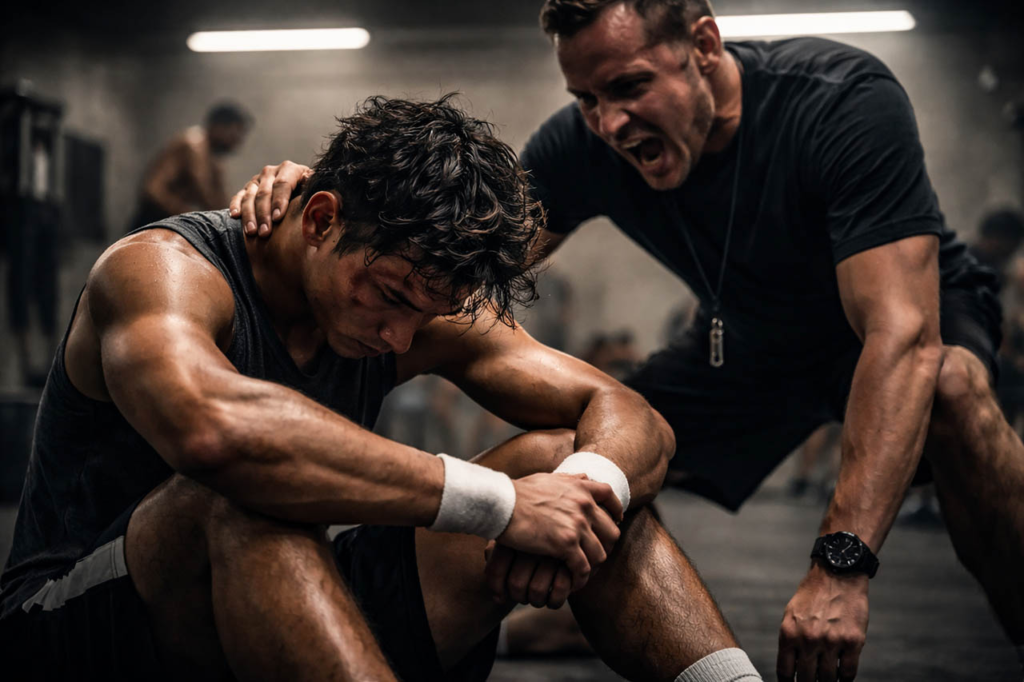
Understanding the Subtle and Evident Forms of Abuse and Pressure in Sports and Life

Sports are, by definition, a space for self-improvement, discipline, and health.
However, behind the medals and podiums, there is a reality that is often swept under the rug: abuse
and excessive pressure.
Recognizing these dynamics is not just a matter of justice, but a necessary step to protect the physical and emotional integrity of athletes.
What is abuse in the sporting environment?
Abuse is not always obvious, nor does it always leave physical marks. It often manifests in subtle ways that end up affecting the athlete’s self-esteem and mental health. It refers to any behavior that, within a power dynamic, seeks to intimidate, humiliate, or exploit the athlete.
Recent research shows that these practices are deeply rooted in sports structures globally. A study published in 2025 revealed that 37.8% of athletes experienced psychological abuse, while 40.3% reported suffering neglect from their trainers [1].
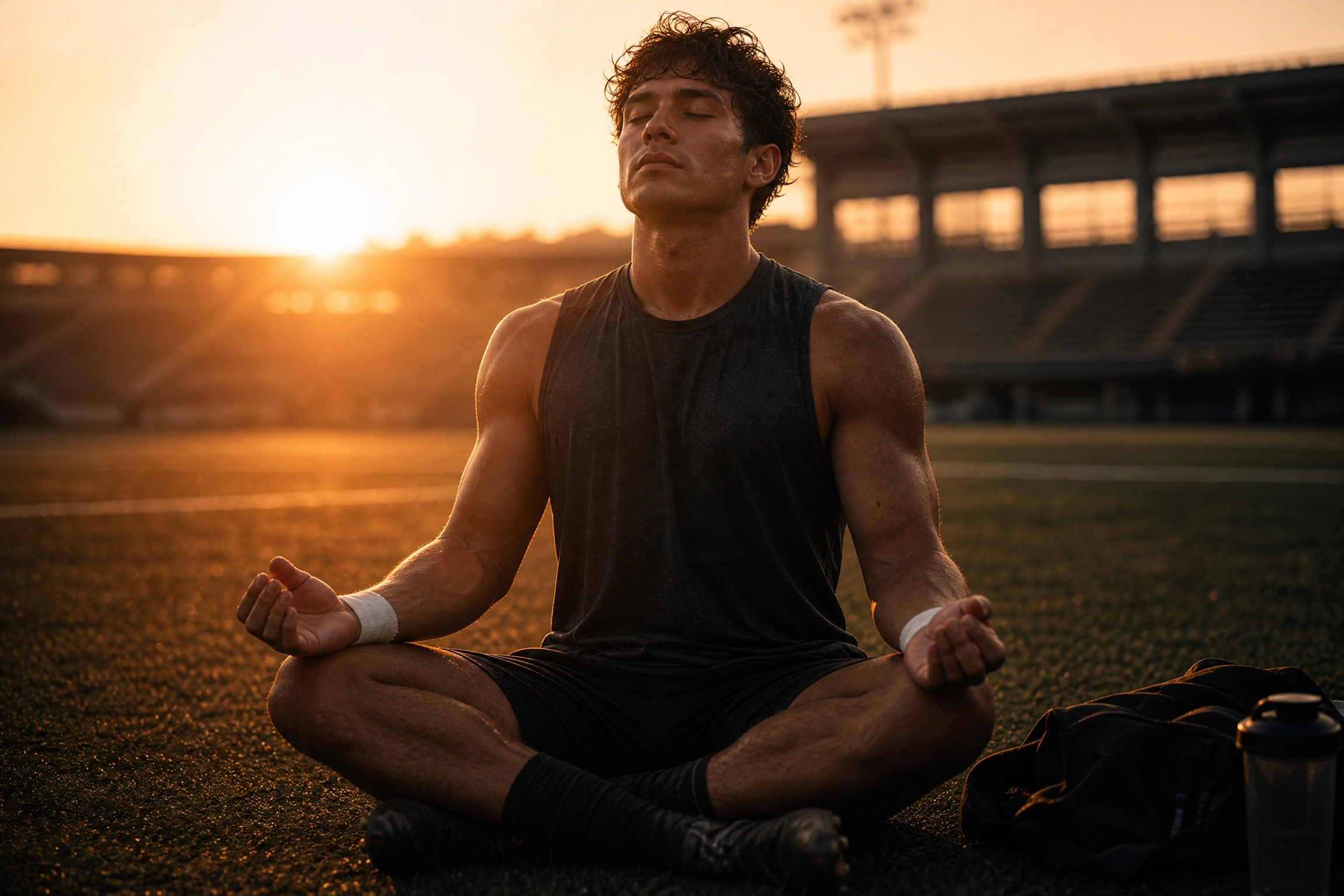
The forms of abuse we have normalized
It is essential to identify the different faces that violence in sports can take, which go far beyond obvious physical mistreatment:
Psychological and Emotional Abuse: Perhaps the most common and difficult to detect. It includes constant ridicule, insults disguised as “constructive criticism,” threats of loss of opportunities, and the isolation of the athlete. Disparaging comments about body image, talent, or technical ability are not teaching tools but forms of violence.
Exploitation and Neglect: Occurs when an athlete’s desire to learn and excel is exploited to demand economic, professional, or personal sacrifices that do not correspond to sporting practice, or when their basic needs for rest and recovery are deliberately ignored.
Sexual Violence: Includes everything from inappropriate comments and sexualized language to non-consensual physical contact. Often, these behaviors are masked as “jokes” or “customs of the environment.” According to UNESCO data, 21% of female athletes and 11% of male athletes report having suffered at least one form of sexual abuse during their childhood in sports [2].
| Type of Abuse | Reported Prevalence | Common Manifestations |
|---|---|---|
| Psychological | 37.8% of athletes [1] | Ridicule, threats, isolation, insults. |
| Neglect | 40.3% of athletes [1] | Ignoring injuries, sleep deprivation, lack of support. |
| Sexual (Female) | 21.0% of athletes [2] | Non-consensual contact, inappropriate comments. |
| Sexual (Male) | 11.0% of athletes [2] | Non-consensual contact, sexualized language. |
| Physical | 9.4% of athletes [1] | Hitting, excessive physical punishment, extreme punitive training. |
The myth of pressure: Is mistreatment necessary to win?
There is a deeply rooted and mistaken belief: the idea that to form a champion, it is necessary to push them to their emotional limit through insults or humiliation. It is argued that this “prepares the athlete for the pressure of competition.”
Nothing could be further from the truth. True mental strength is built from respect, trust, and technical support. Mistreatment does not generate resilience; it generates trauma, insecurity, and, in many cases, the premature abandonment of a promising career. In fact, UNESCO warns that 49% of young women drop out of sports during adolescence—a rate six times higher than that of men, largely motivated by a lack of safe environments and role models [2].
No sporting result justifies the loss of human dignity.
When silence turns into trauma
The impact of abuse in sports transcends the track or the field of play. Emotional damage can transform into deep traumas that affect the ability to trust others and generate a permanent sense of insecurity.
Current medical literature underlines the gravity of this situation. A 2024 literature review indicated that the prevalence of mental health problems reaches 50% in elite athletes, highlighting anxiety (56%) and depression (48%) disorders, as well as sleep problems [3].
Many athletes remain silent for fear of retaliation or because of the stigma associated with seeking help.
“Cases of harassment and abuse occur in sports… Research indicates that athletes with disabilities are at an even higher risk of suffering these forms of violence.”
It is vital to understand that abuse is never the responsibility of the person who receives it. Breaking the silence is the first step toward establishing boundaries and reclaiming one’s voice.
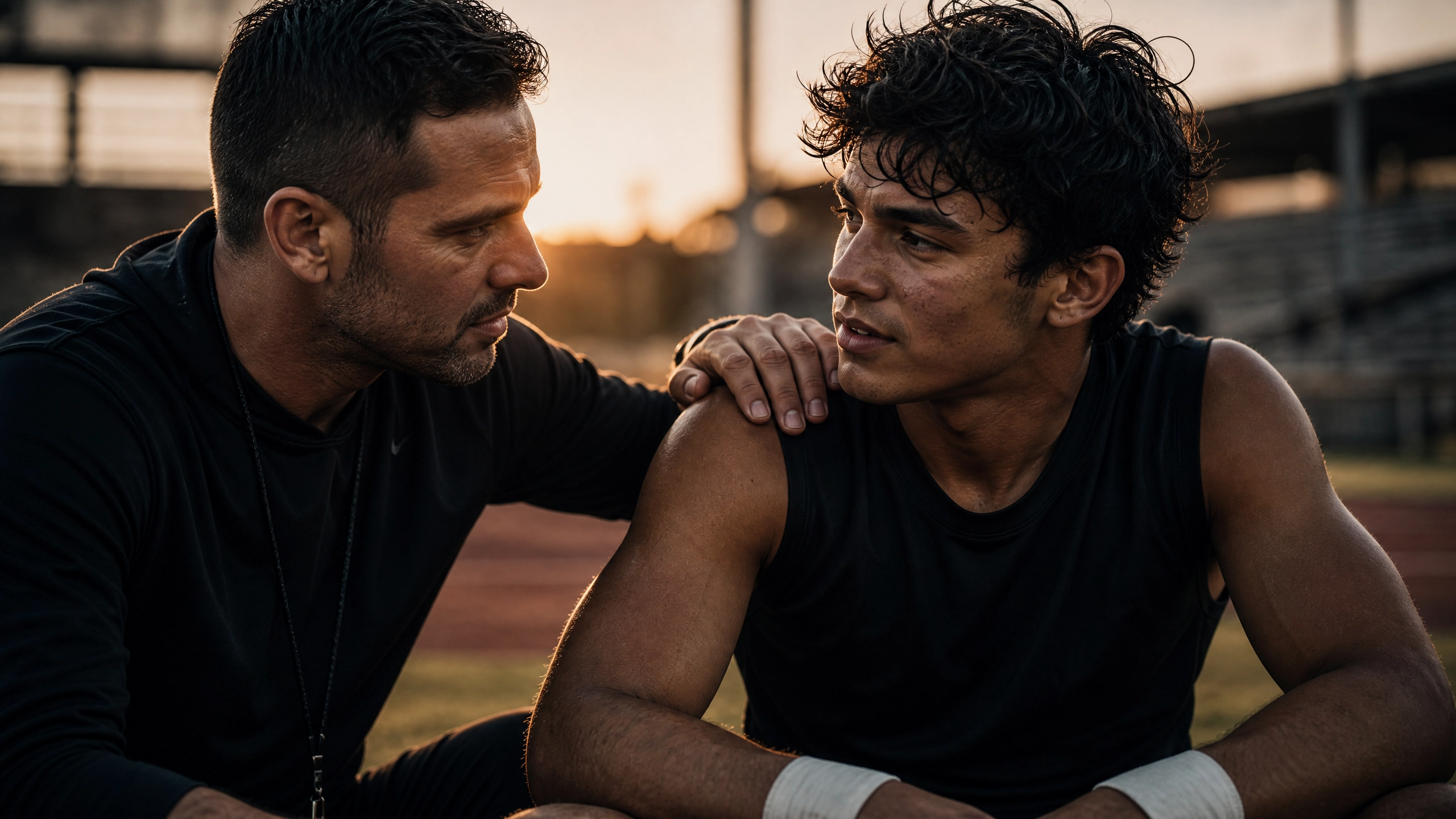
A path toward healing and prevention
To eradicate these practices, international organizations propose concrete measures
including the creation of protective regulations, the establishment of anonymous reporting
mechanisms, and mandatory investment in education on equality and prevention for all
coaches [2].
If you identify with these situations or feel that pressure has overstepped the limits of your
emotional well-being, remember that you are not alone. Recognizing the problem does not
make you a victim, but a brave person who decides to prioritize their integral health.
En ETERNAL I UNIVERSE (EIU), we understand the challenges of the high-performance sporting
environment and are here to accompany you in your process of healing and emotional
strengthening.
Contact us for more information and to begin transforming your sporting experience
through respect and well-being.
References
[1] Amawi, A., et al. (2025).
Psychological abuse, physical abuse, and neglect: a descriptive study of common practices among Jordanian national team athletes.
Retos, 65, 736–748.
View source.
[2] UNESCO. (2024).
UNESCO report: Access to sport for women and girls continues to suffer from a significant lag.
View source.
[3] Hermoso García, M., et al. (2024).
Mental health and elite athletes: Literature review.
Revista Científica Sanum, 8(2), 80–92.
View source.
[4] International Olympic Committee (IOC).
Safeguarding athletes from harassment and abuse in sport (Safeguarding Toolkit).
View source.